UNESCO EDUCATIONAL TRIP 2026
DELHI — STUDENT LEARNING OUTCOMES
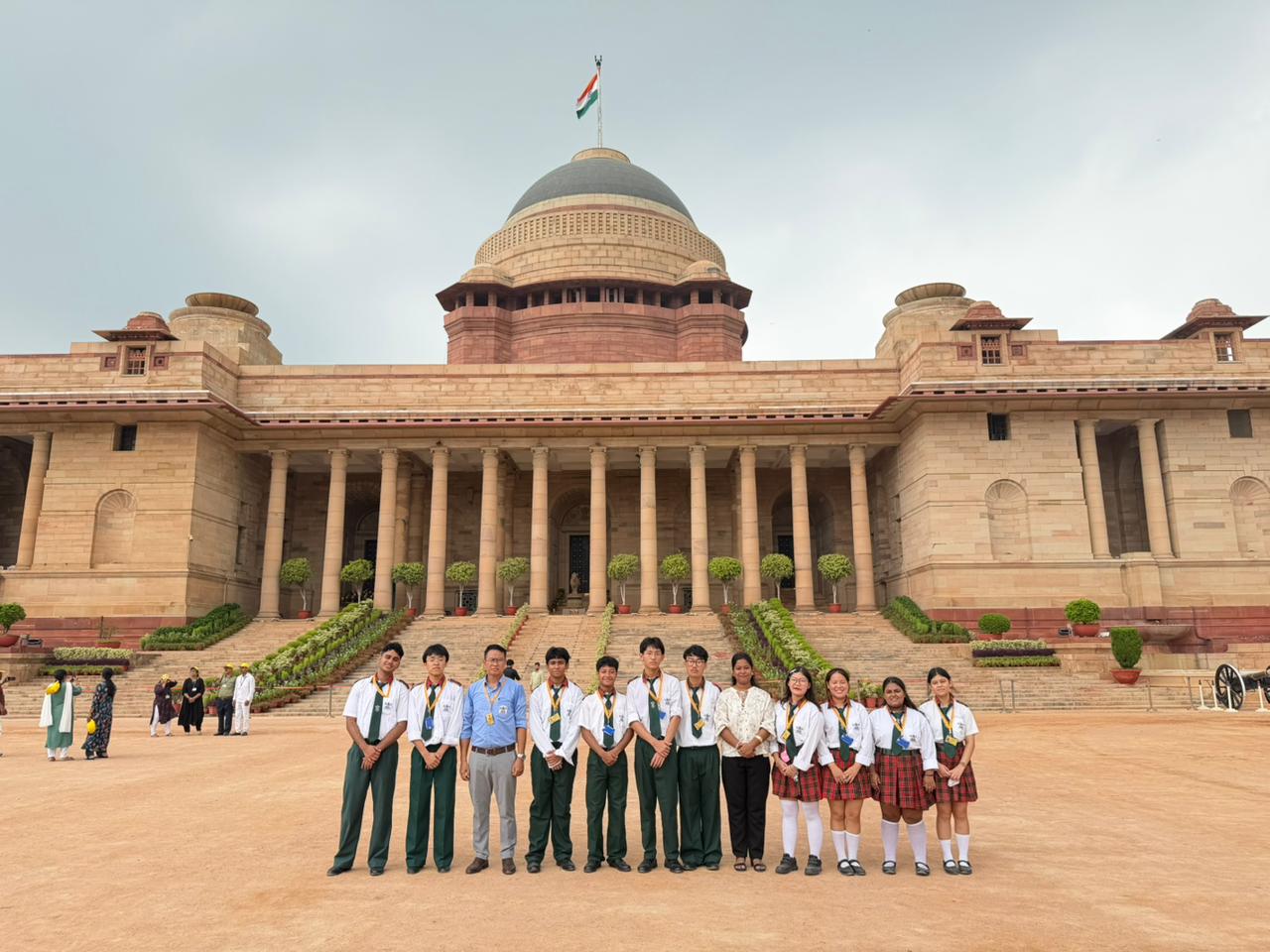
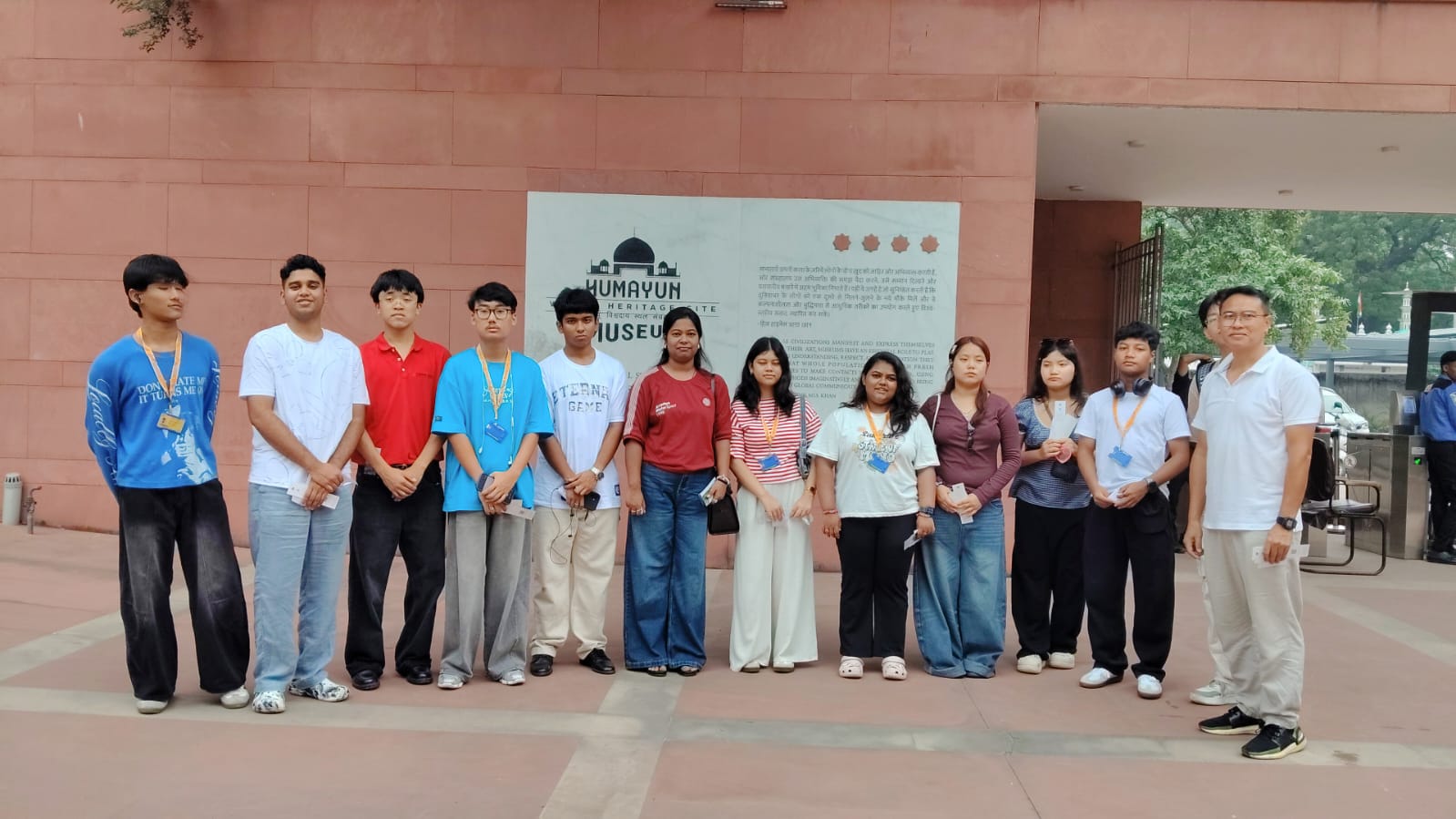
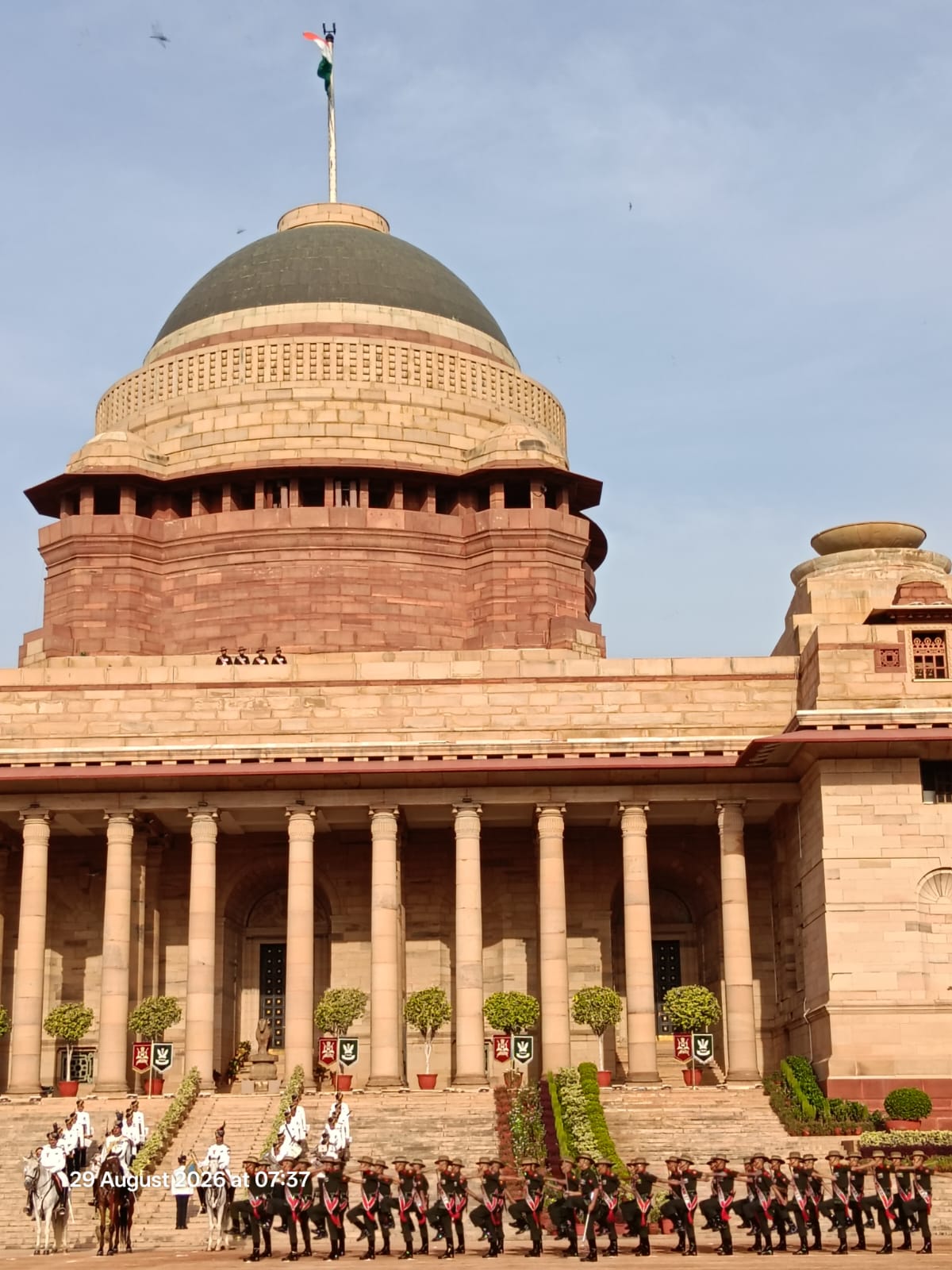
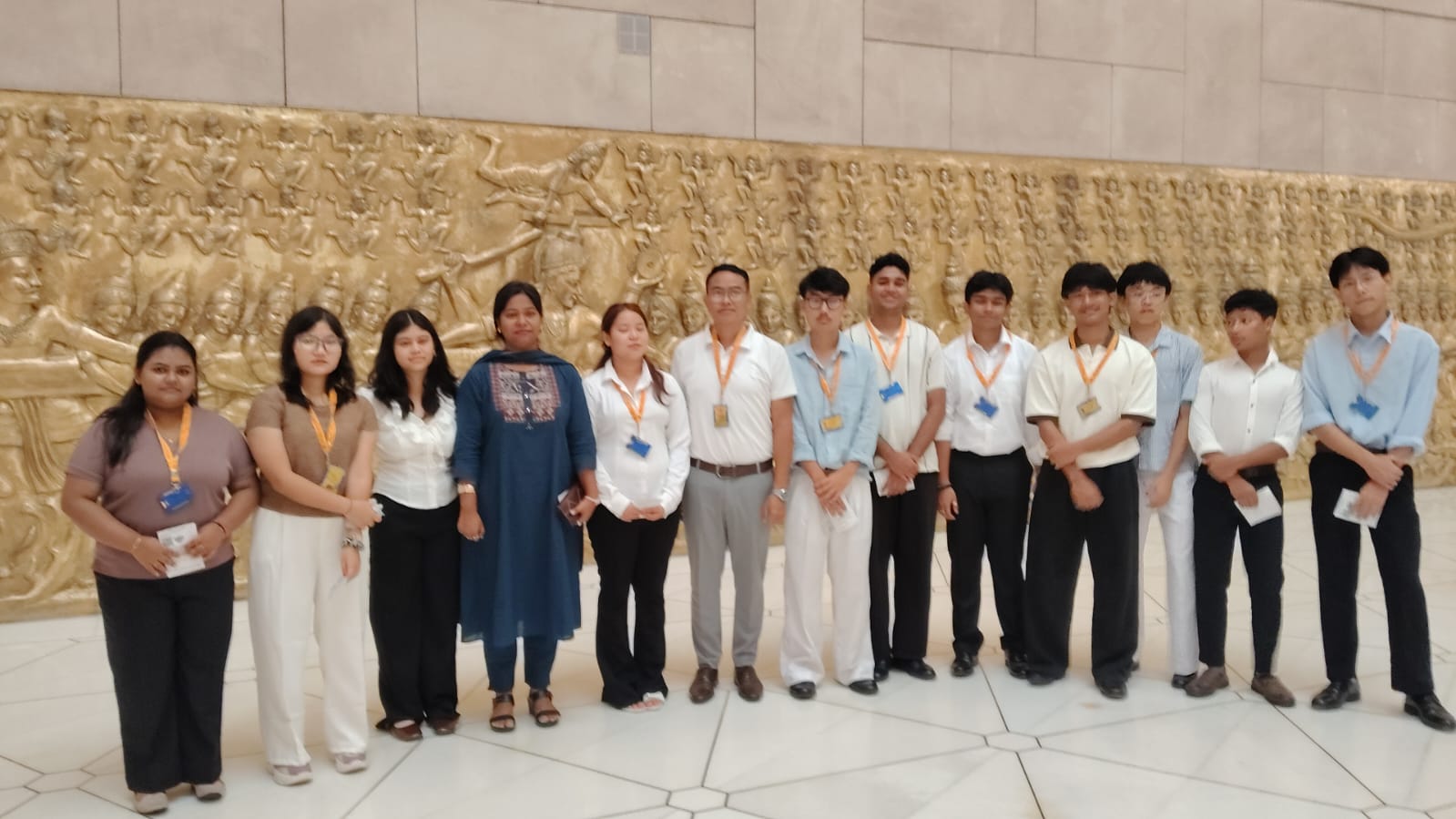
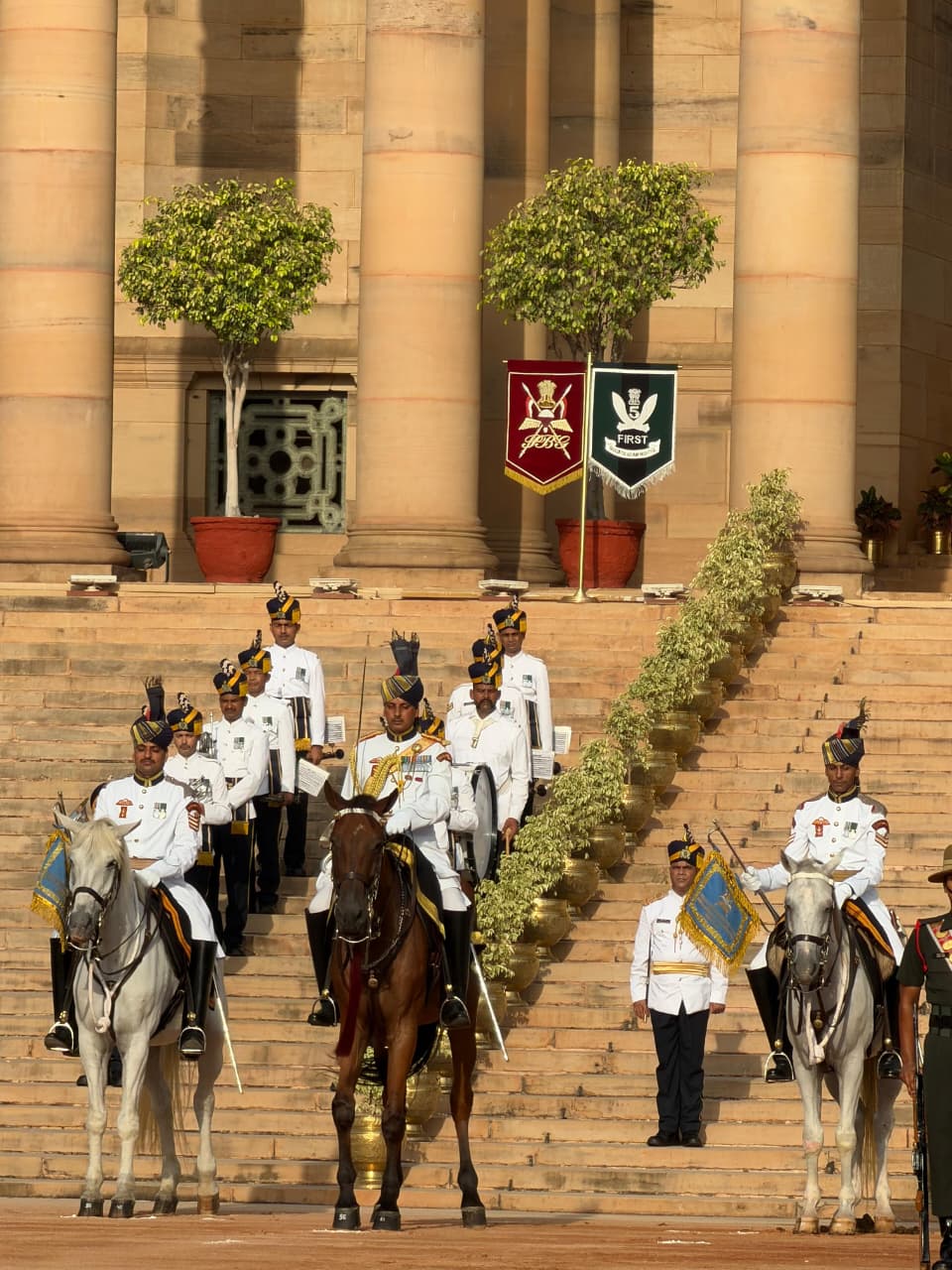
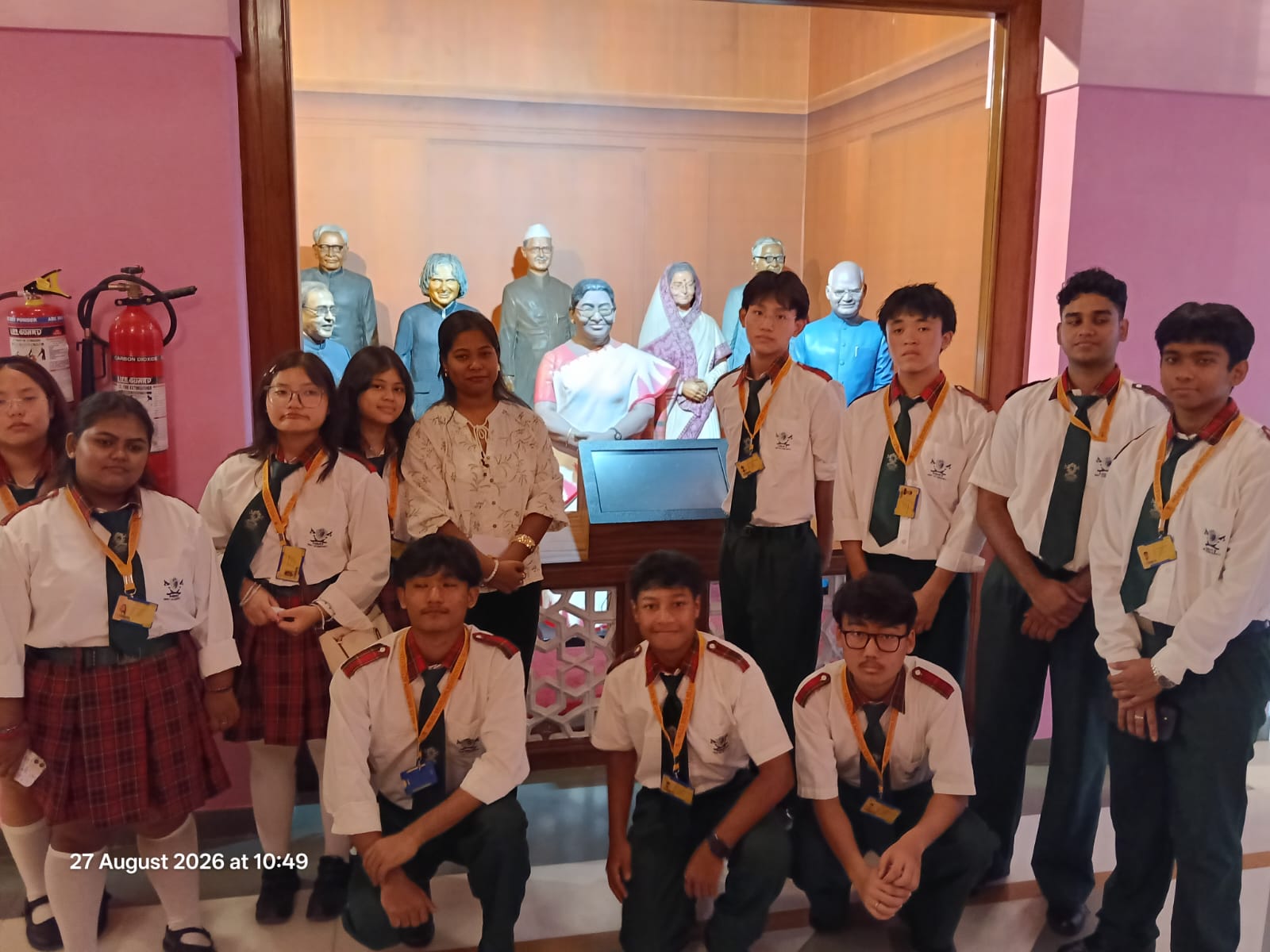
The UNESCO Educational Trip 2026 to New Delhi was designed as an immersive learning experience, connecting classroom knowledge with real-world institutions, heritage sites, museums, educational spaces, and national landmarks.
Trip Participants
Student Delegates
- Pawan Khaidem
- Shantanu Gogoi
- Adila Grace Pakma
- Abu Sohail
- Rani Siram
- Jum Lusi Tamin
- Jangminlun Haokip
- Wanphrangsngi Kharbani
- Rupam Shyam
- Dakshaa Dey
- Roding Zing Pertin
Teacher Coordinators
- Sima Prava Gogoi
- Salam Jayenta Singh
1. Introduction
Dear Students,
This educational trip to New Delhi was a learning journey designed to connect classroom knowledge with real places, institutions, heritage, and people. Through direct observation and guided exposure, students learned how India’s history, constitutional democracy, culture, education, and citizenship are experienced beyond textbooks.
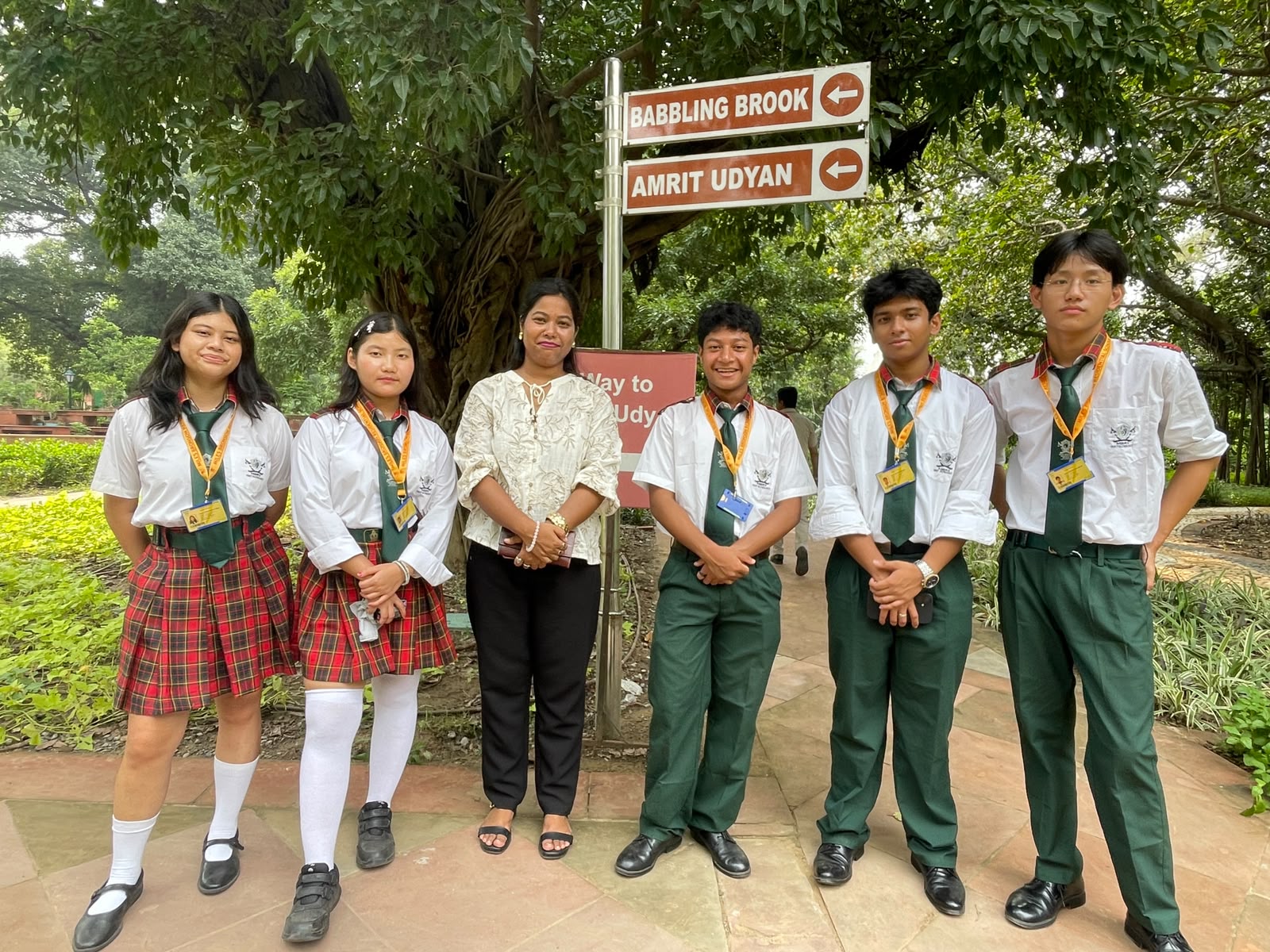
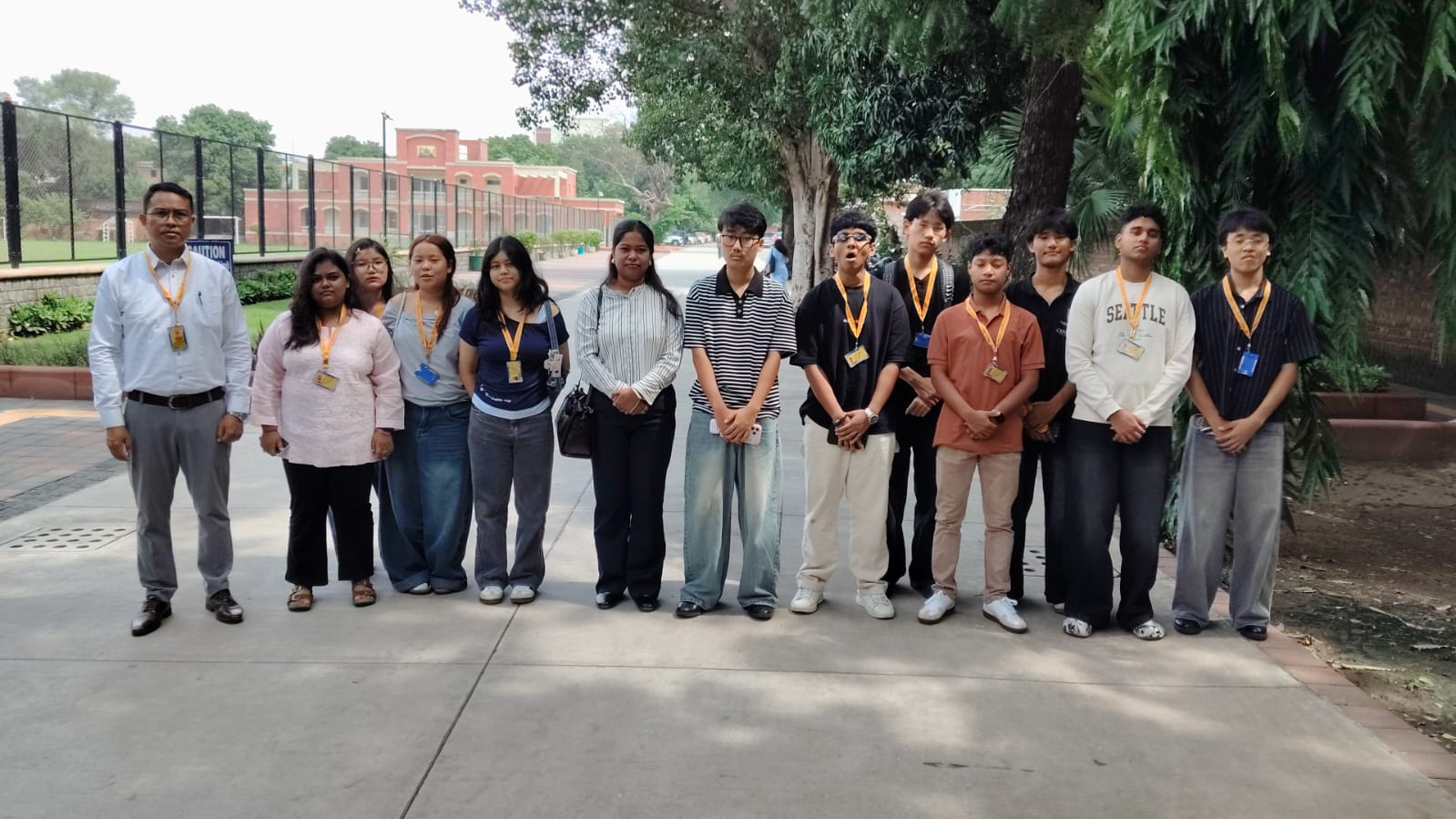
The programme involved 11 student delegates and 2 teacher coordinators and was conducted from 25 to 29 August 2026.
2. Major Learning Gained During the Trip
The trip provided students with opportunities to:
- Develop a deeper understanding of India’s constitutional-democratic system through exposure to national
- Understand that Parliament, the Executive, and the Judiciary perform distinct but interconnected roles in a democracy.
- Gain first-hand knowledge of national heritage and the importance of protecting monuments for future
- Observe how history is preserved through monuments, museums, memorials, architecture, and public
- Develop greater appreciation for India’s cultural diversity and the different historical influences visible in Delhi.
- Learn the importance of national remembrance, sacrifice, and responsible
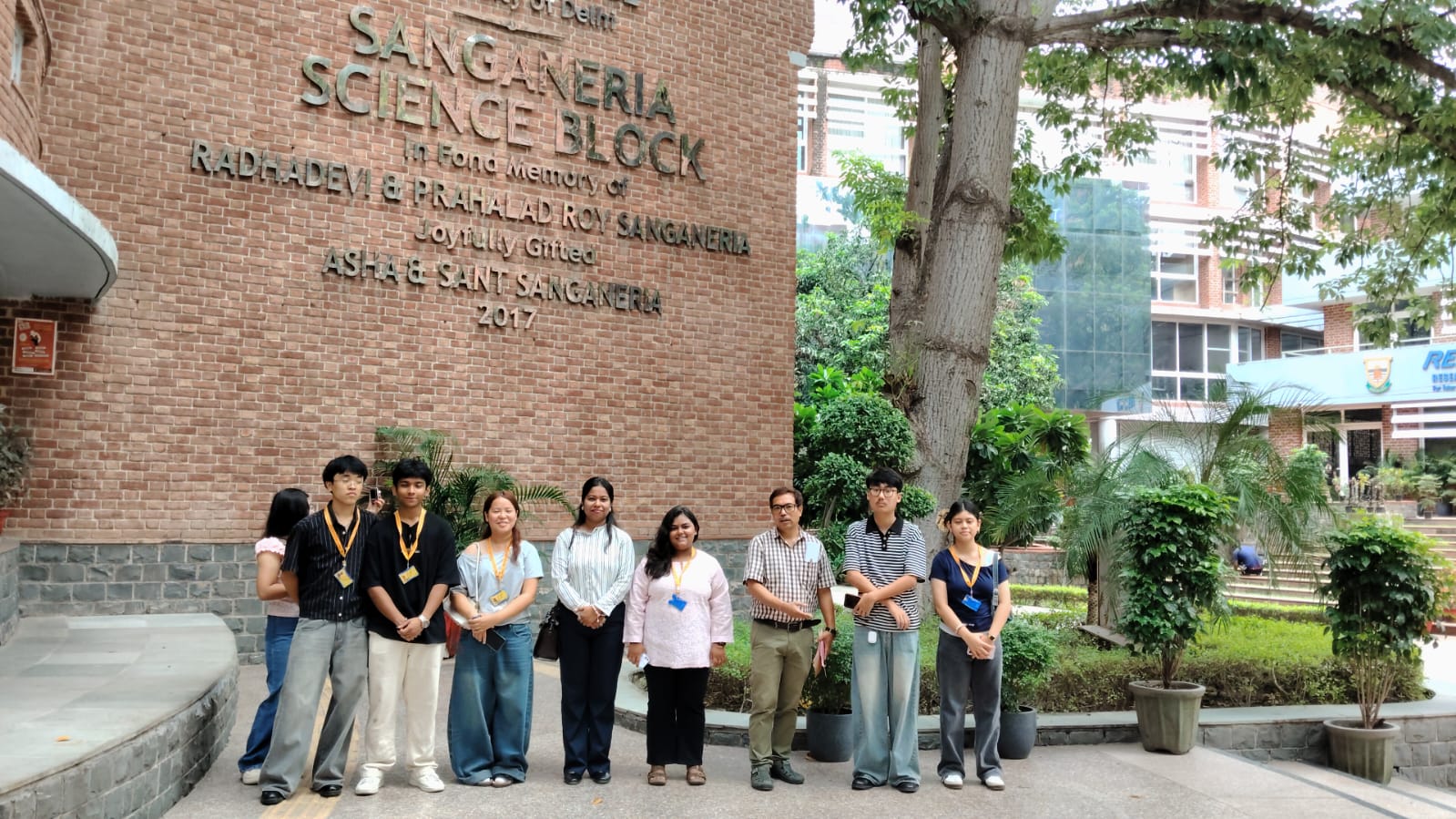
- Experience university environments and gain greater awareness of higher education and future academic
- Strengthen observation, questioning, note-making, communication, teamwork, discipline, and leadership
- Learn to respect public spaces, institutional rules, security procedures, heritage regulations, and civic
- Develop the habit of relating academic concepts to real-world situations and
3. Political Science and Constitutional Learning
Students gained practical exposure to important concepts studied in Political Science and Civics, including:
- Understanding the role and importance of Parliament in India’s democratic
- Connecting classroom concepts of the Constitution with actual national
- Understanding the constitutional position and symbolic importance of the President of
- Learning about the role of the Prime Minister and the Union Executive through national political
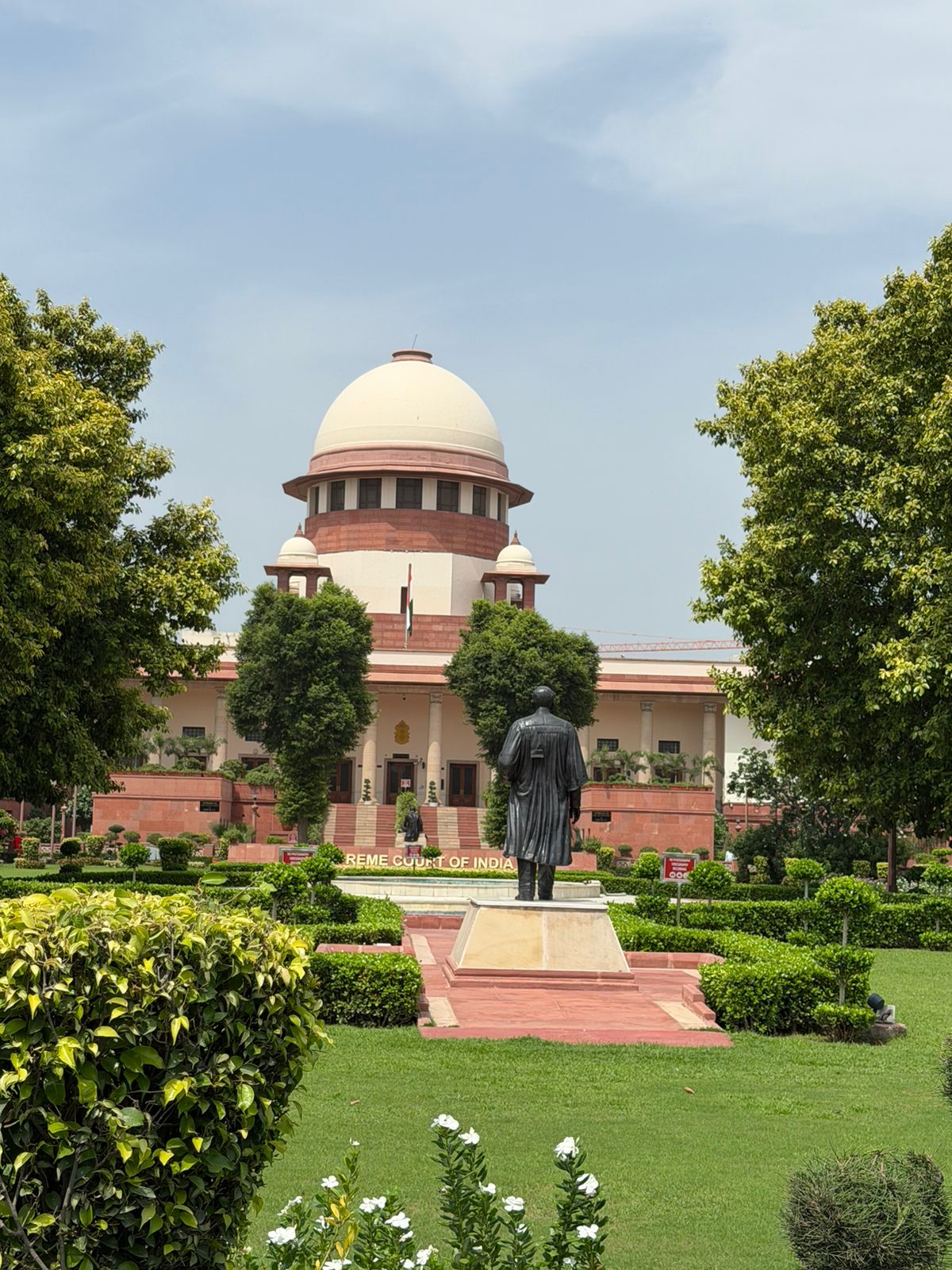
- Understanding the Supreme Court’s role in justice, constitutional governance, and the rule of
- Recognising the importance of separation of functions and institutional accountability in a
- Developing awareness of citizenship, national integration, public service, and democratic
4. History and Heritage Learning
Delhi provided students with an opportunity to experience history beyond the classroom. Students learned about:
- Delhi as a city with multiple historical layers and architectural
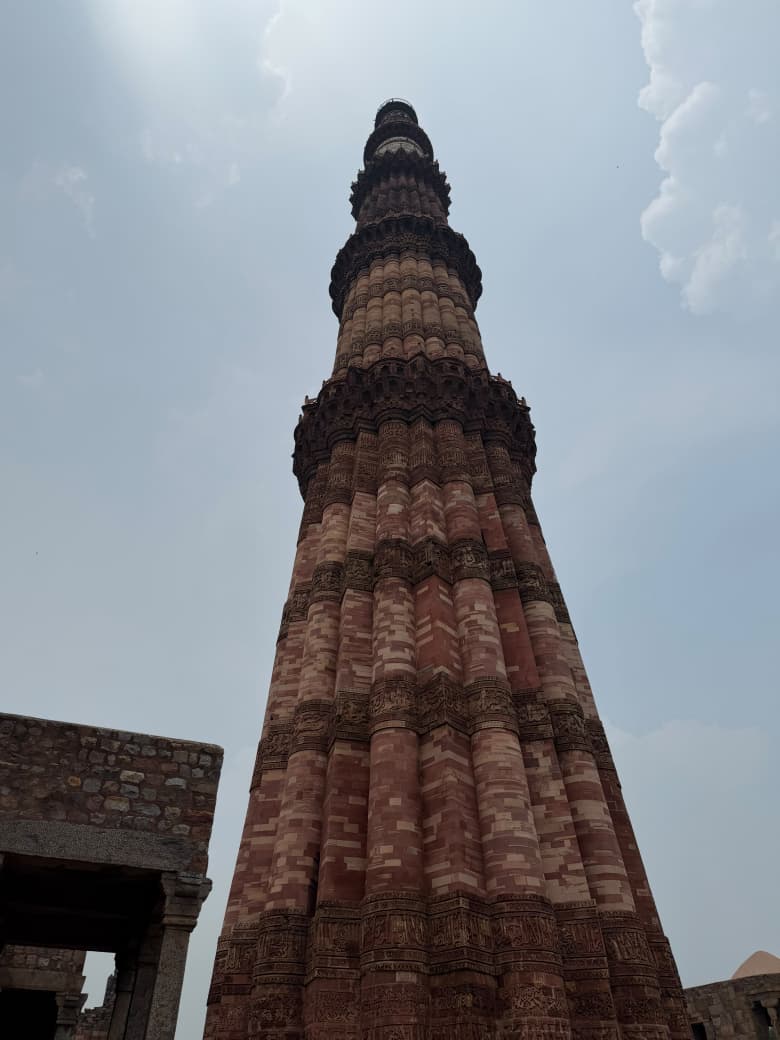
- Indo-Islamic architectural features through Qutub Minar and its Monuments.
- Mughal garden-tomb architecture, symmetry, planning, and conservation through Humayun’s Tomb.
- How monuments can serve as primary visual sources for understanding
- The importance of conservation and responsible heritage
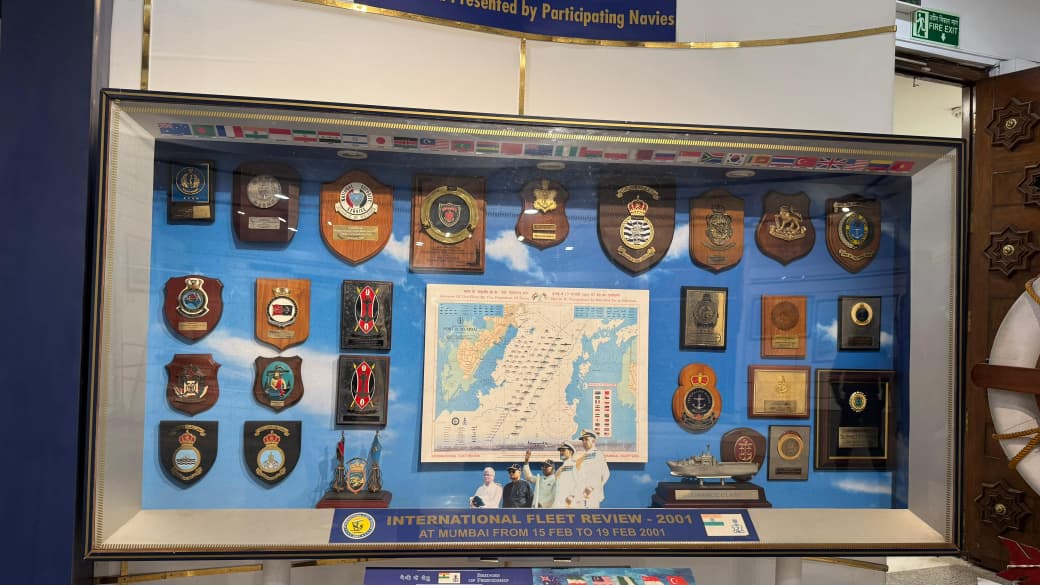
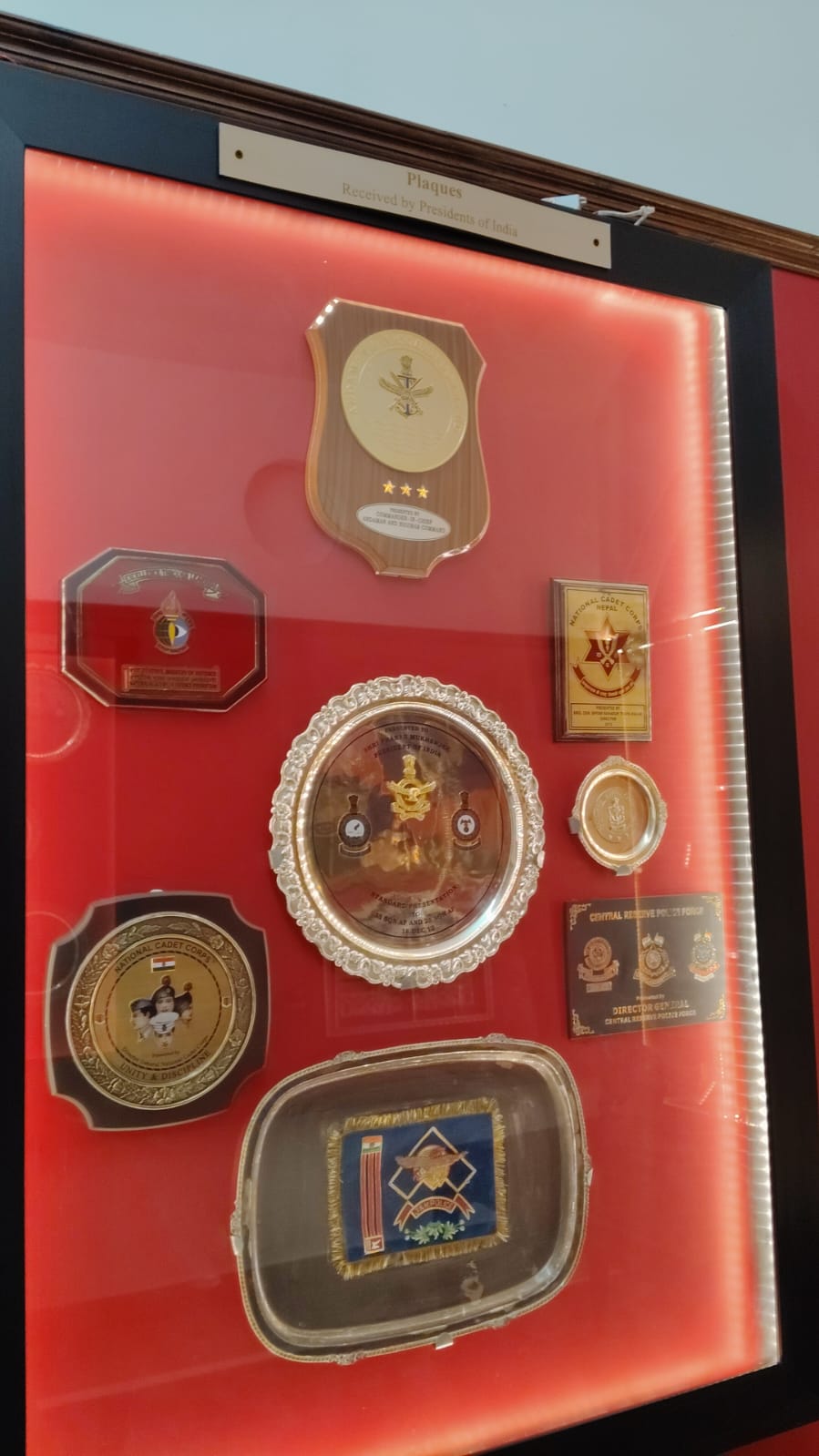
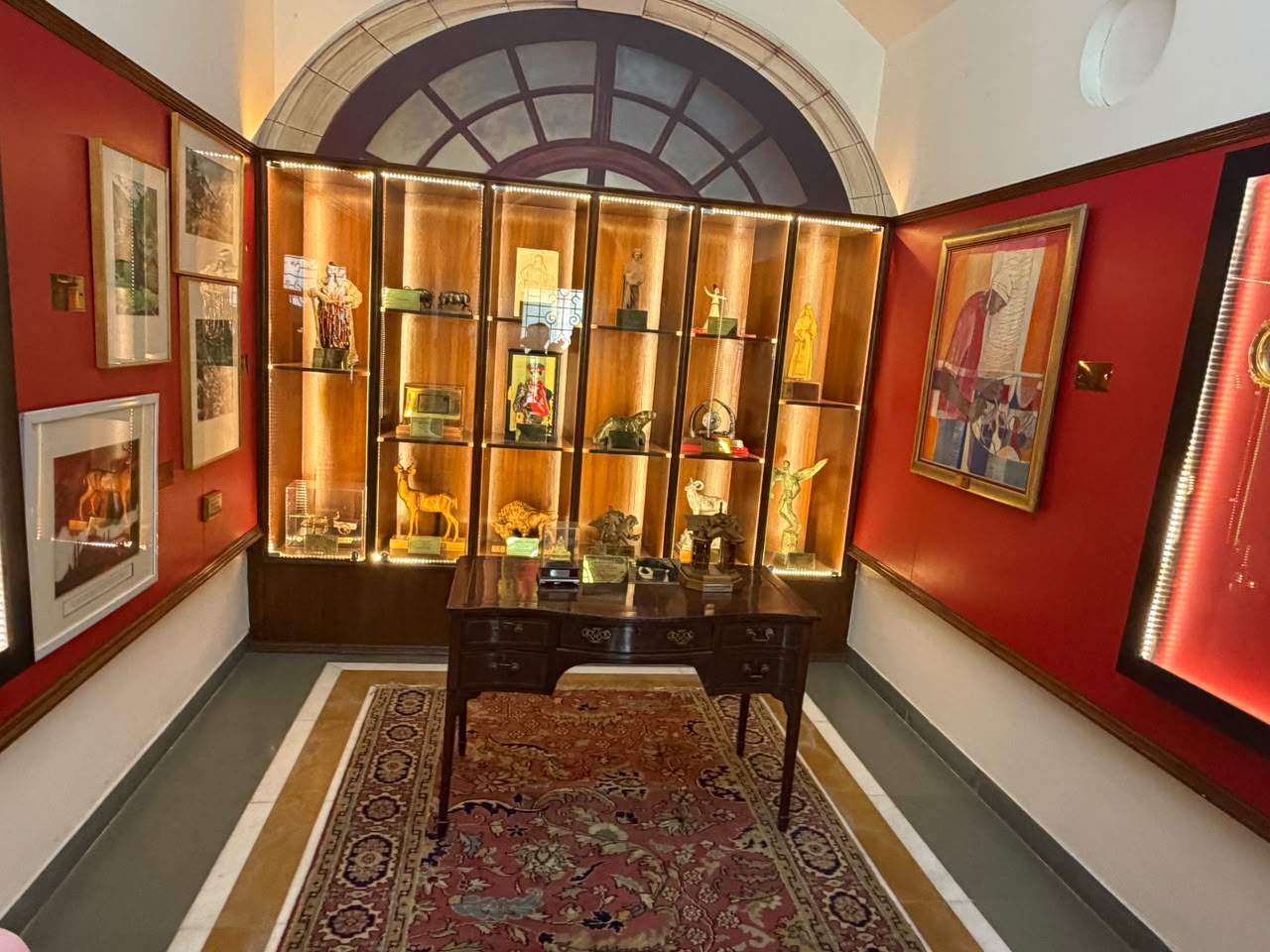
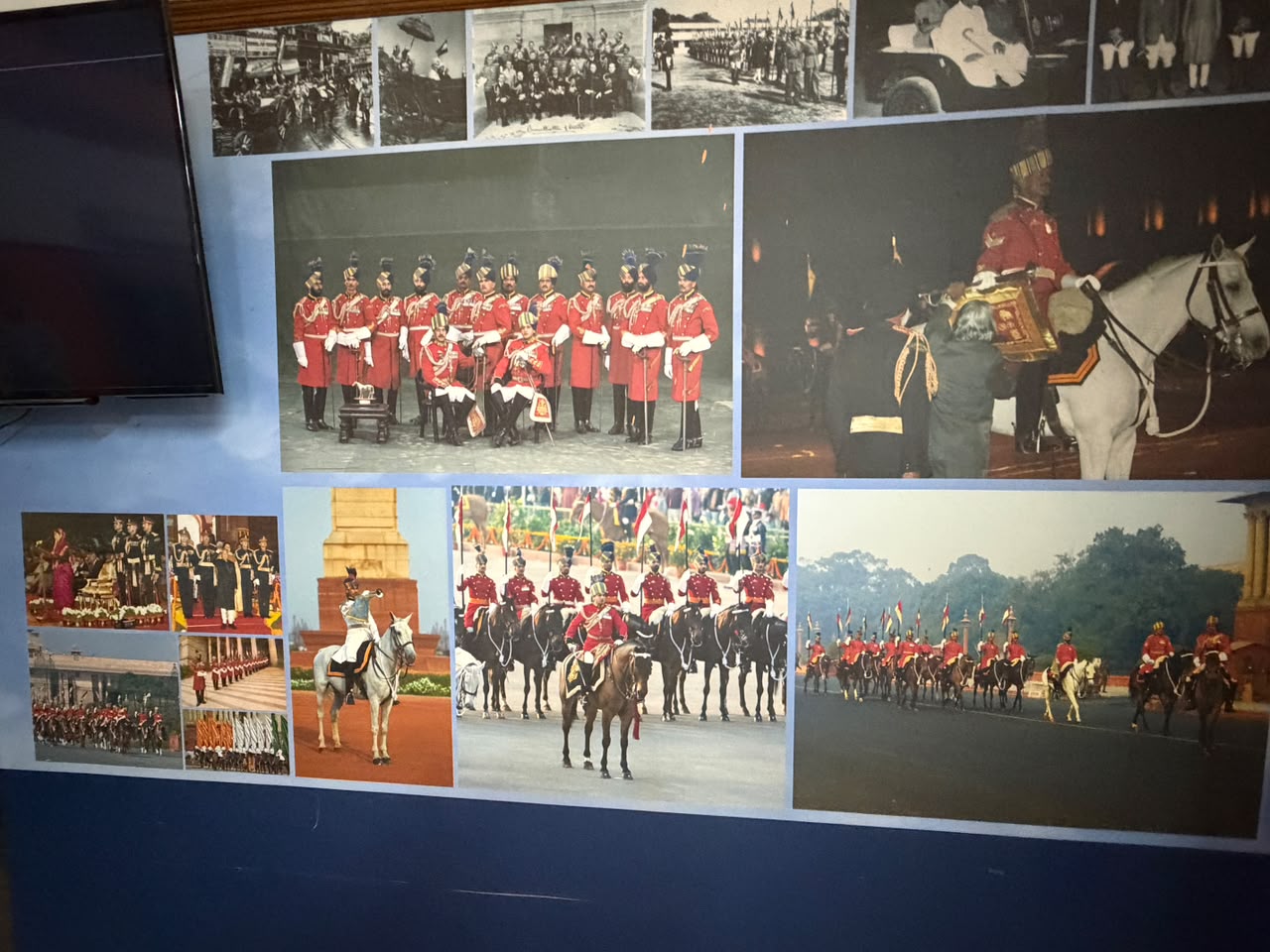
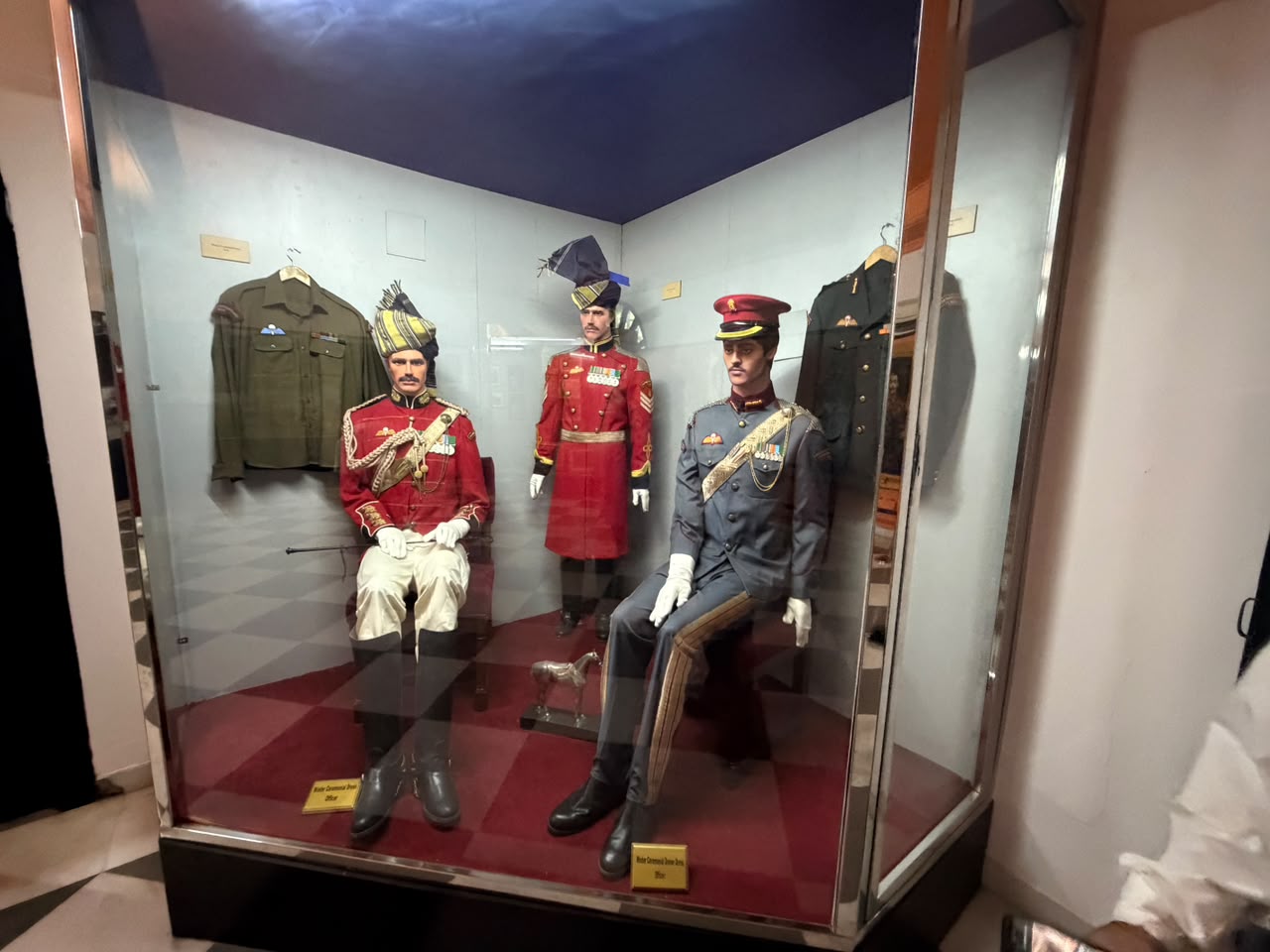
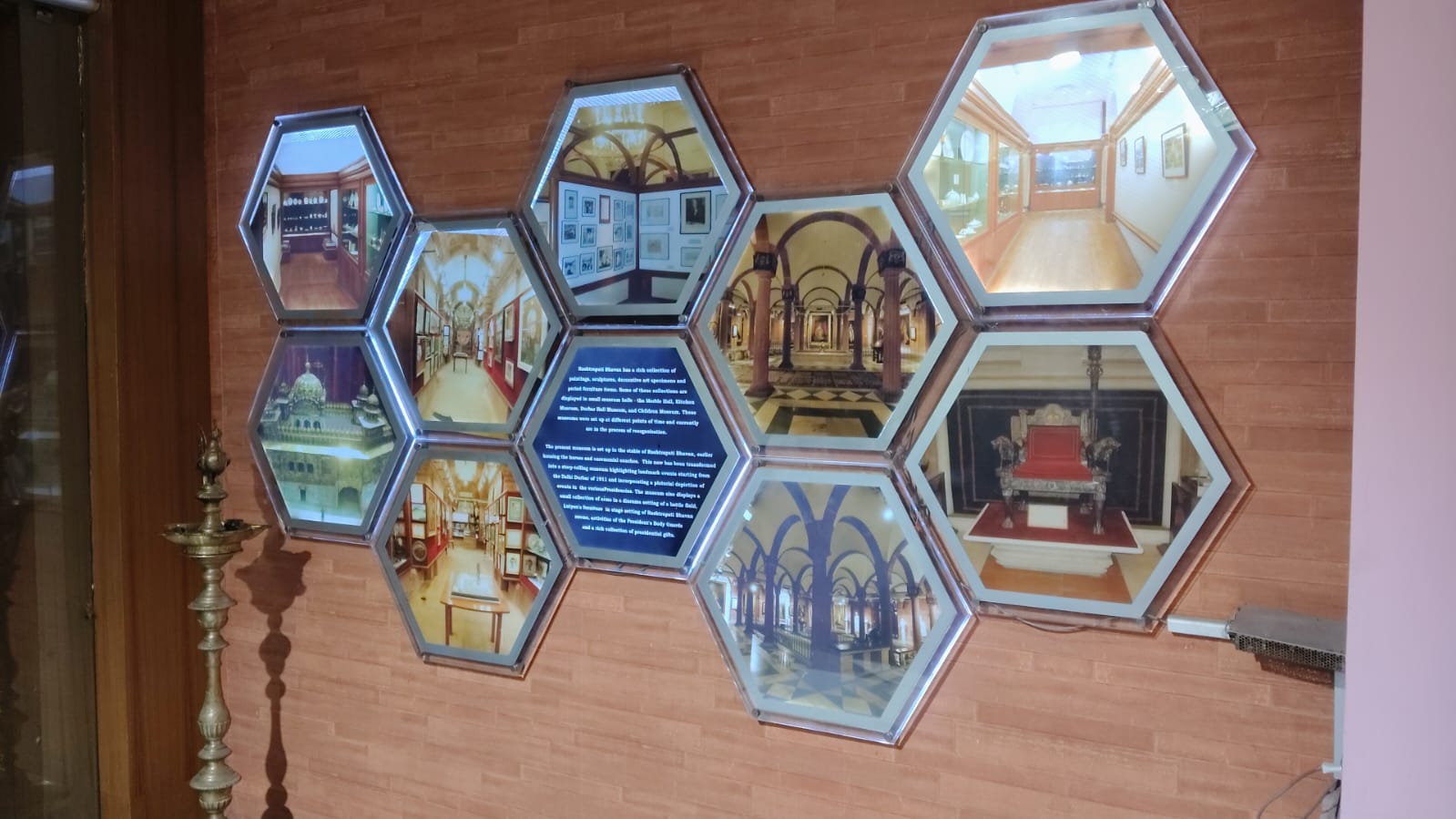
- The value of museums in preserving objects, art, archaeology, and material
5. National Memory, Patriotism and Citizenship
The trip also encouraged students to reflect on national identity, remembrance, sacrifice, and their responsibilities as citizens.
National Remembrance:
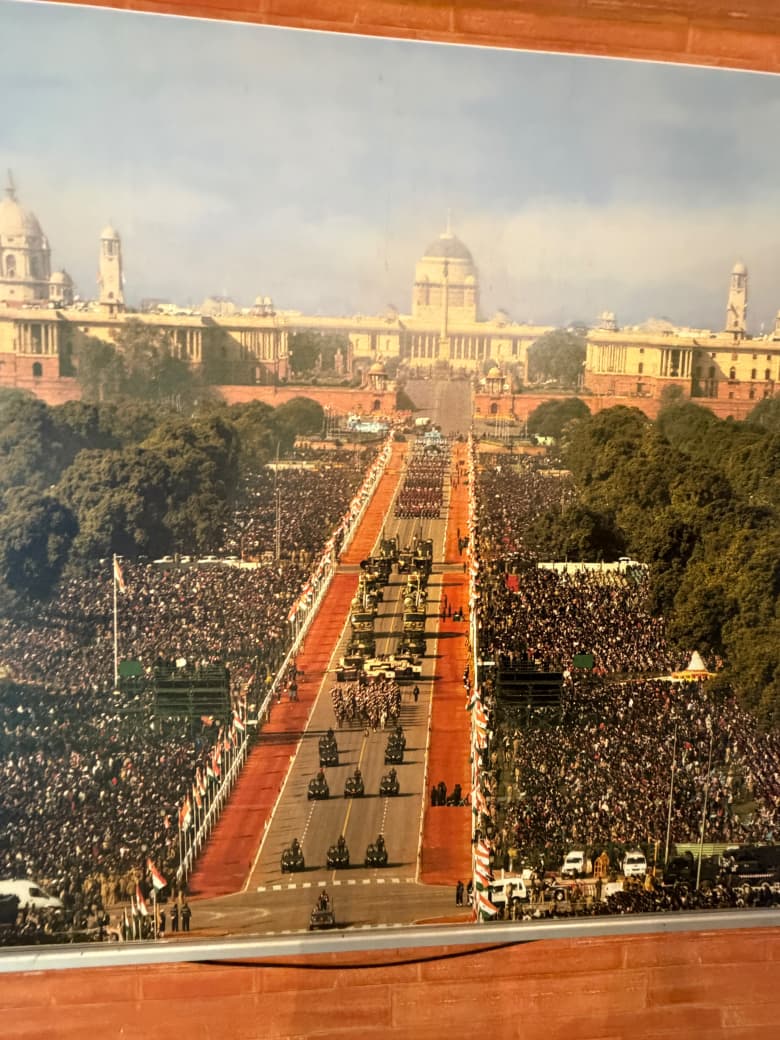
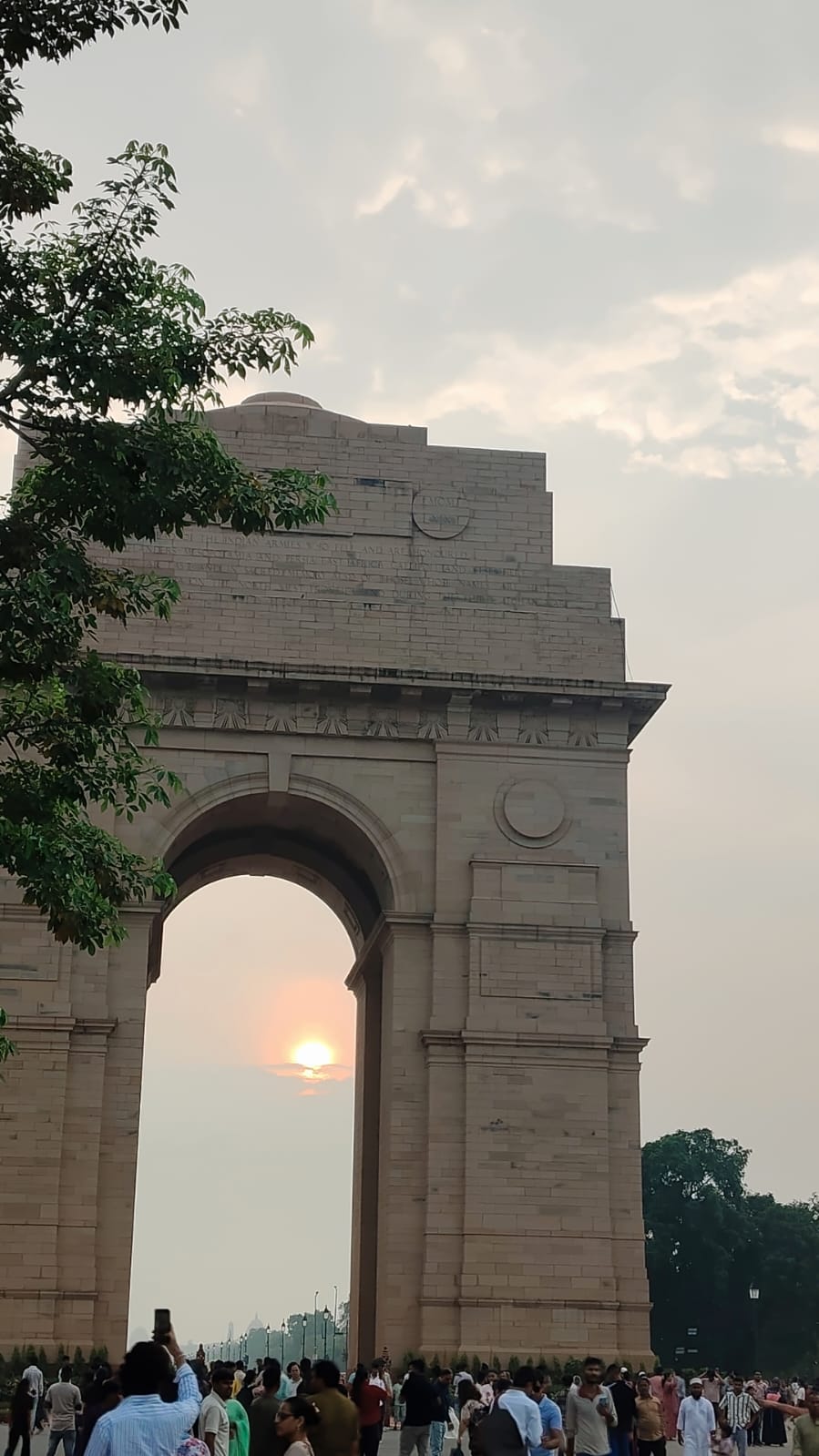
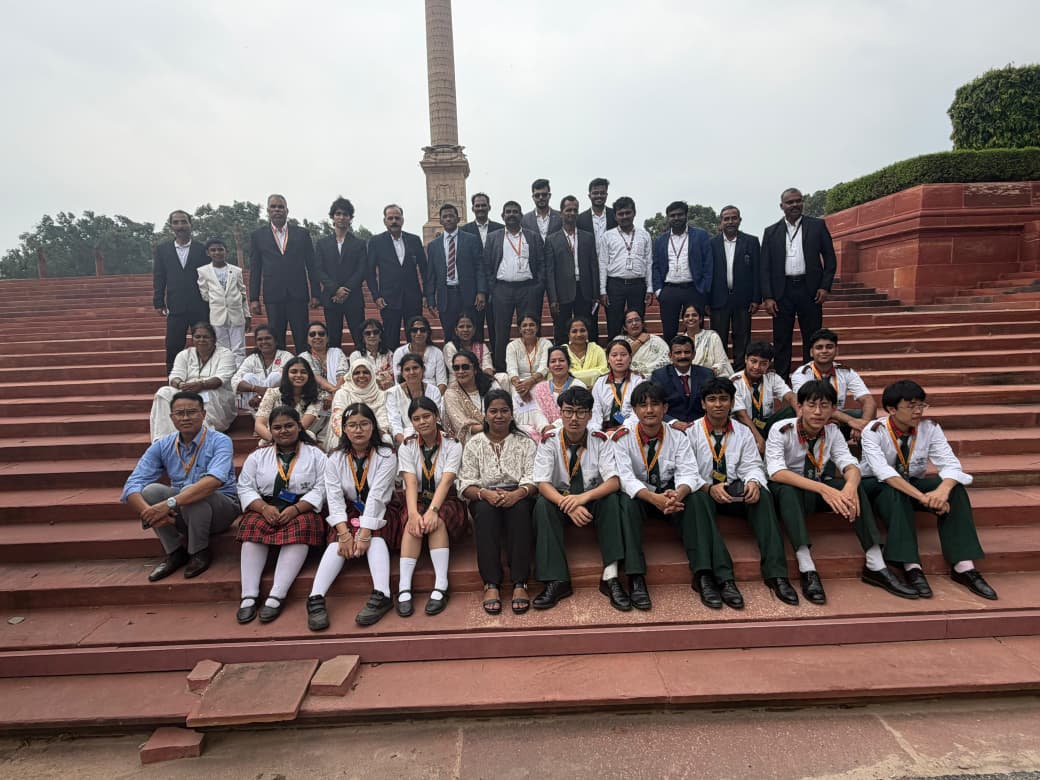
Students reflected on the meaning of national remembrance through visits to India Gate and the National War Memorial.
Honouring Sacrifice:
Students learned about the significance of honouring soldiers and remembering national sacrifices.
Respect for Symbols:
Students developed respect for national symbols, memorial spaces, and public institutions.
Civic Responsibility:
Students understood that patriotism includes responsible behaviour, respect for others, and care for public property.
Personal Reflection:
Students reflected on their own responsibilities as young citizens of India.
6. Sociology and Understanding Society
The educational experience also helped students explore how institutions, communities, and public spaces shape society.
Students:
- Observed how public institutions and educational spaces bring people from diverse backgrounds
- Reflected on cultural diversity, social interaction, and shared public
- Understood how institutions influence social life and shape
- Observed the relationship between education, society, aspirations, and social
- Developed greater sensitivity towards different cultures, traditions, and ways of
7. Higher Education and Career Awareness
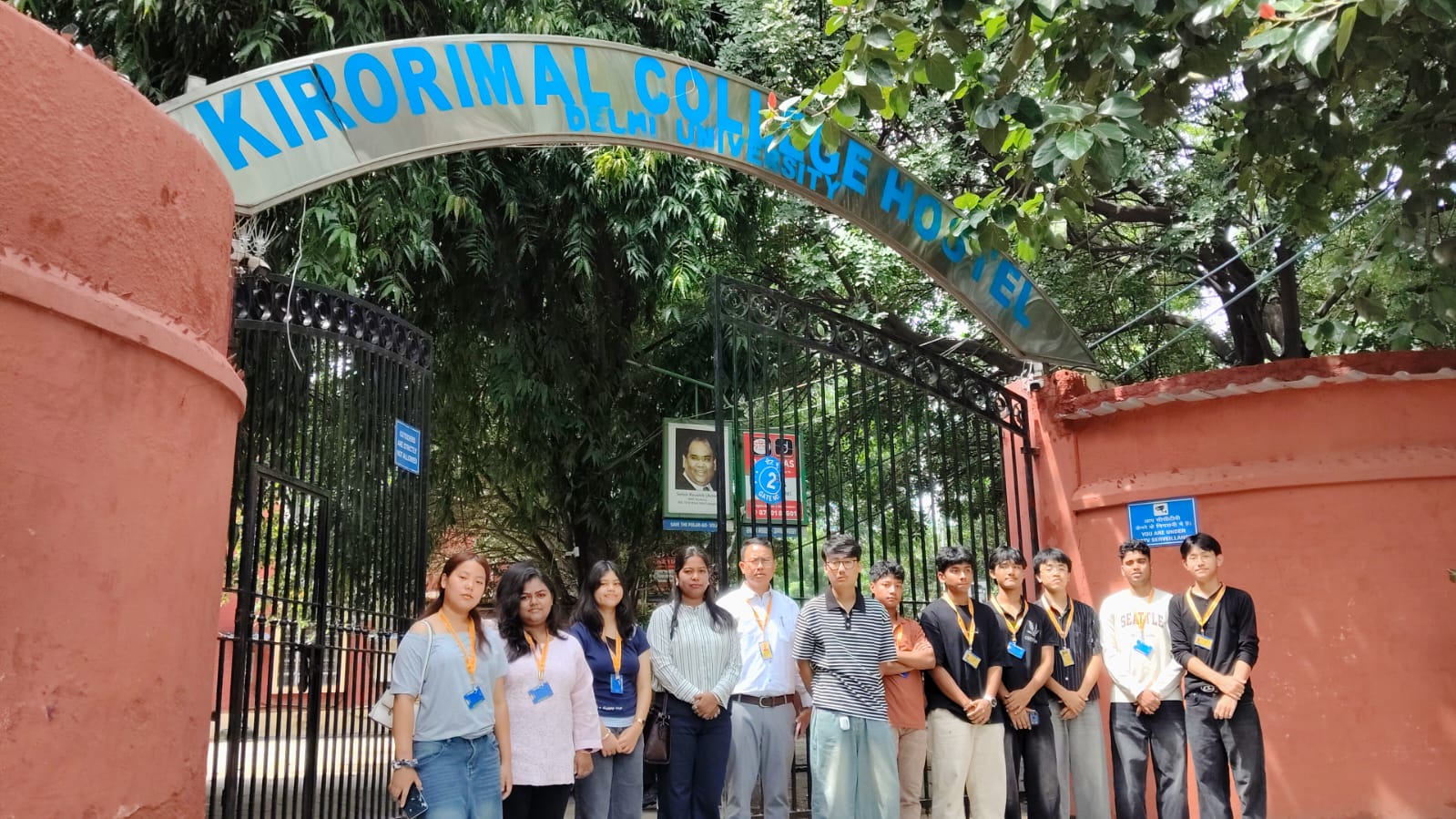
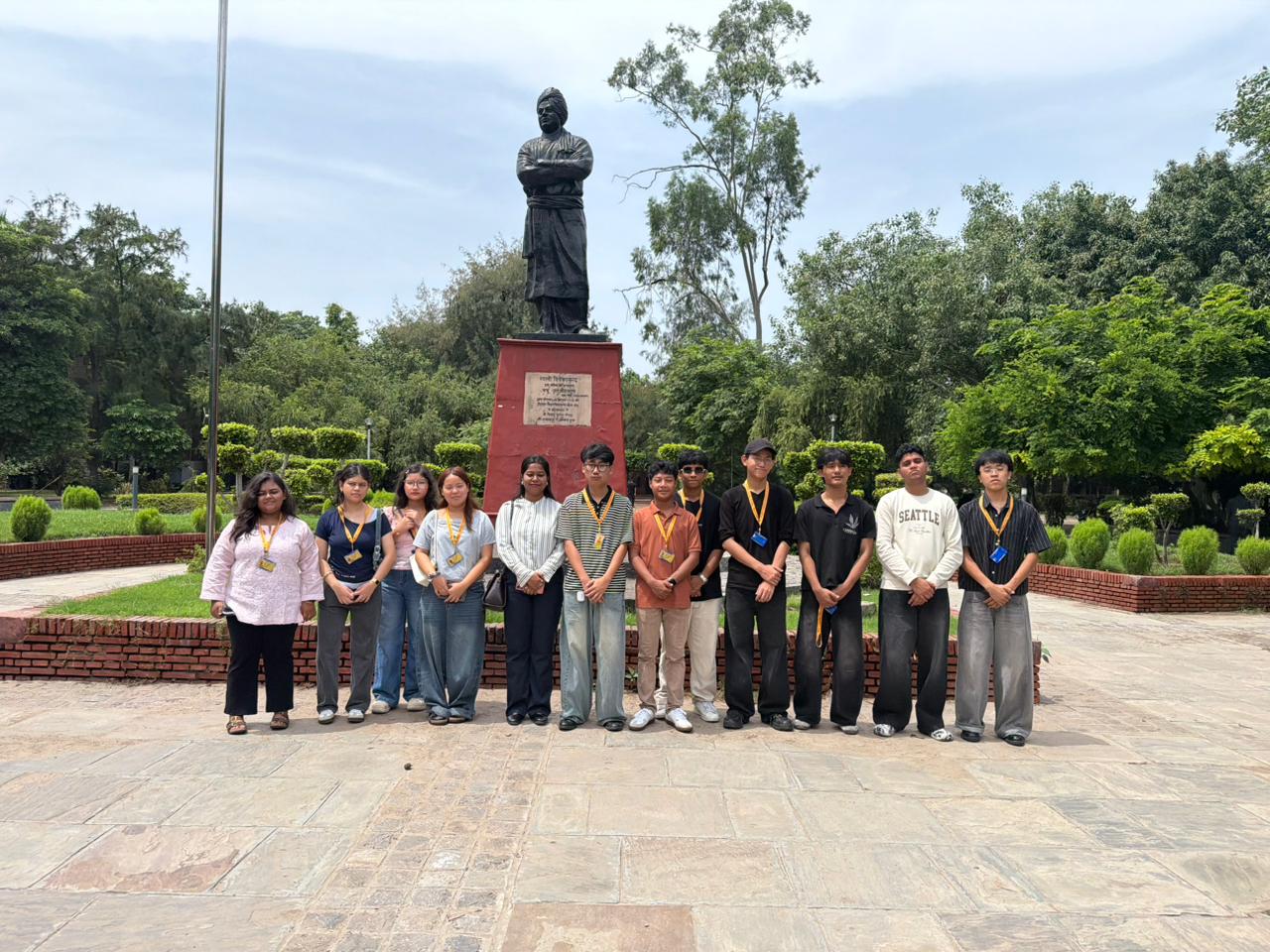
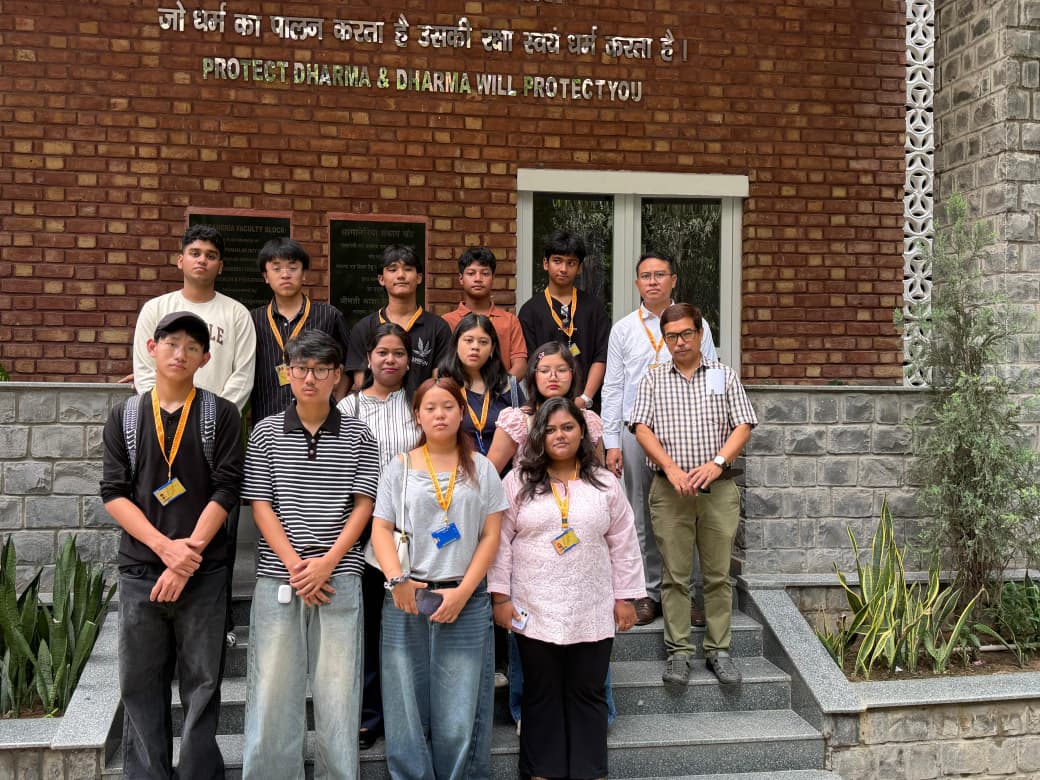
Exposure to leading University of Delhi institutions helped students understand university life beyond school.
The visits enabled students to:
- Become more familiar with the academic environment of colleges and humanities
- Think more deeply about higher education pathways and future academic
- Understand the importance of choosing courses and institutions according to interests, abilities, and long-term
- Gain confidence in interacting with educational environments and thinking about their
8. Art, Culture and Museum Learning
The trip offered students direct opportunities to experience India’s art, architecture, culture, and heritage. Students:
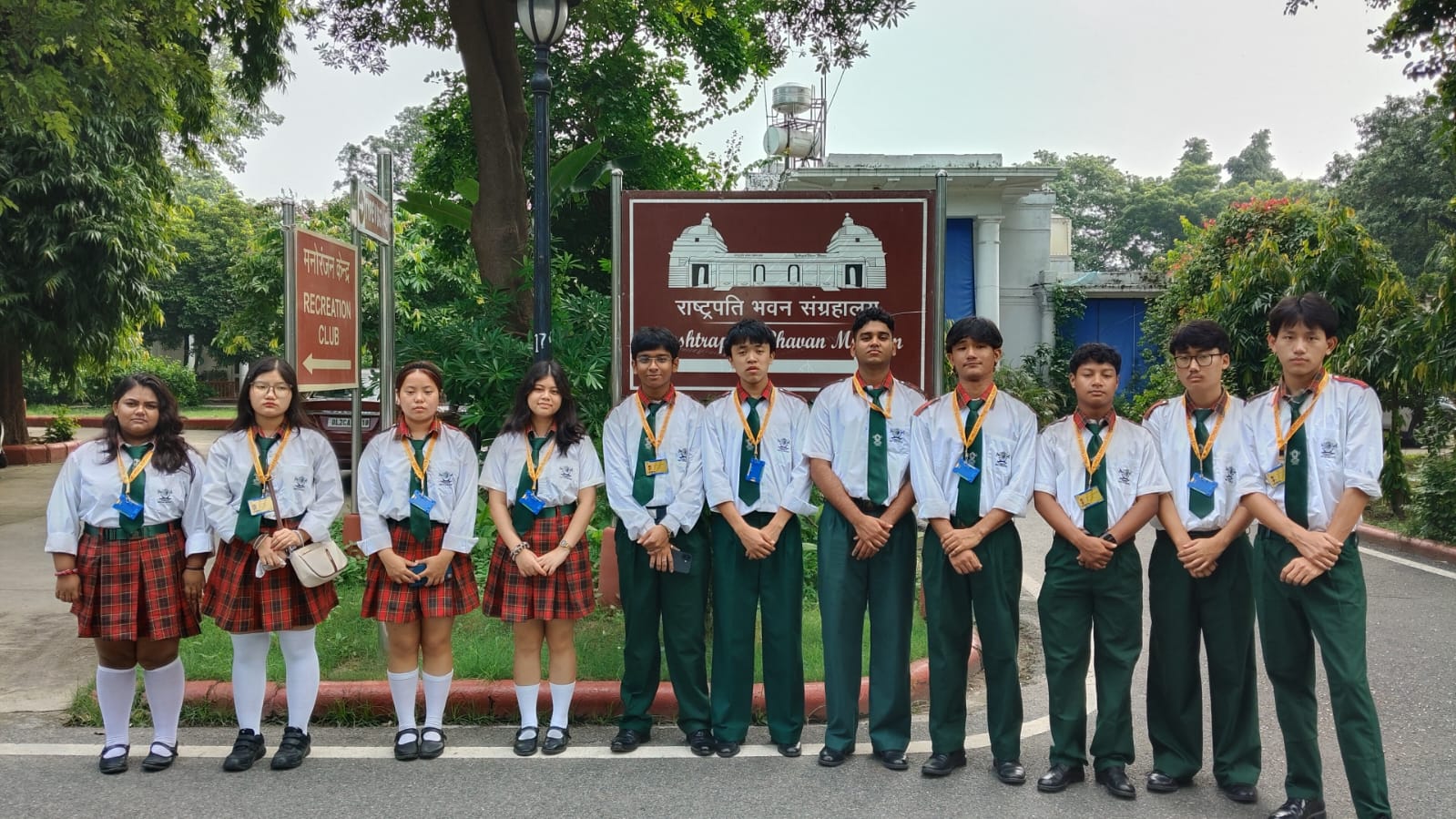
- Directly observed architecture, sculpture, artefacts, landscape design, and ceremonial
- Understood museums as spaces for learning through original historical and cultural
- Developed an appreciation for India’s tangible and intangible cultural
- Learned that art and architecture can communicate historical, political, and social
- Strengthened the ability to observe details rather than relying only on textbook
9. Communication, Personal Development and Life Skills
Beyond academic learning, the journey helped students develop important personal and interpersonal skills.
Confidence & Expression:
Improved confidence through interaction, discussion, and group activities.
Academic Skills:
Development of listening, speaking, observation, and reflective-writing skills.
Collaboration & Discipline:
Improved teamwork through travelling and learning as a group, along with greater punctuality and discipline in unfamiliar environments.
Adaptability & Leadership:
Improved ability to adapt to new places, follow instructions, manage personal belongings, and build mutual support among peers.
10. Values and Responsible Citizenship Developed
Throughout the journey, students were encouraged to develop values that extend beyond academic achievement:
- Respect for history, culture, institutions, and
- Responsibility towards heritage and public
- Cleanliness and environmental responsibility in public
- Respect for rules, security procedures, and institutional
- Empathy, cooperation, and respect for fellow students and members of the
- Awareness that education includes values, behaviour, and civic responsibility along with academic
11. Overall Learning Outcome
The UNESCO Educational Trip 2026 transformed familiar textbook ideas into lived learning experiences. Students were able to see constitutional institutions, heritage sites, memorials, museums, and higher-education spaces in their real settings.
The journey strengthened their academic understanding while also developing confidence, discipline, communication, teamwork, cultural awareness, and responsible citizenship.
Most importantly, students learned that education extends beyond the classroom and that history, democracy, culture, and society can be understood through careful observation and meaningful experience.
12. Student Reflection
Students are encouraged to reflect on the trip by considering the following questions:
- What did I learn that I could not have fully understood from a textbook?
- Which place influenced me most?
- What did I learn about India’s democracy and heritage?
- How has the journey changed my understanding of responsible citizenship?
- What academic or career aspiration did the trip inspire in me?
Teacher Coordinators
1. Sima Prava Gogoi
Miles Bronson Residential School (MBRS), Borjhar, Guwahati
2. Salam Jayenta Singh
Miles Bronson Residential School (MBRS), Borjhar, Guwahati